 Deutsch
 Eesti
 Hrvatski
 Italiano
 Latviešu
 Lietuviškai
 Magyar
 Polski
 Română
 Slovenčina
 Slovenščina
 Čeština
Knowledge base

Applications

XPS Insulation for Floors on the Ground & Industrial Floors
XPS Frost Protection for Roads, Railways & Civil Engineering
XPS Insulation for Green Roofs and Roof Gardens
ETICS & Rendered Facades: Plinth and Splash Zone XPS
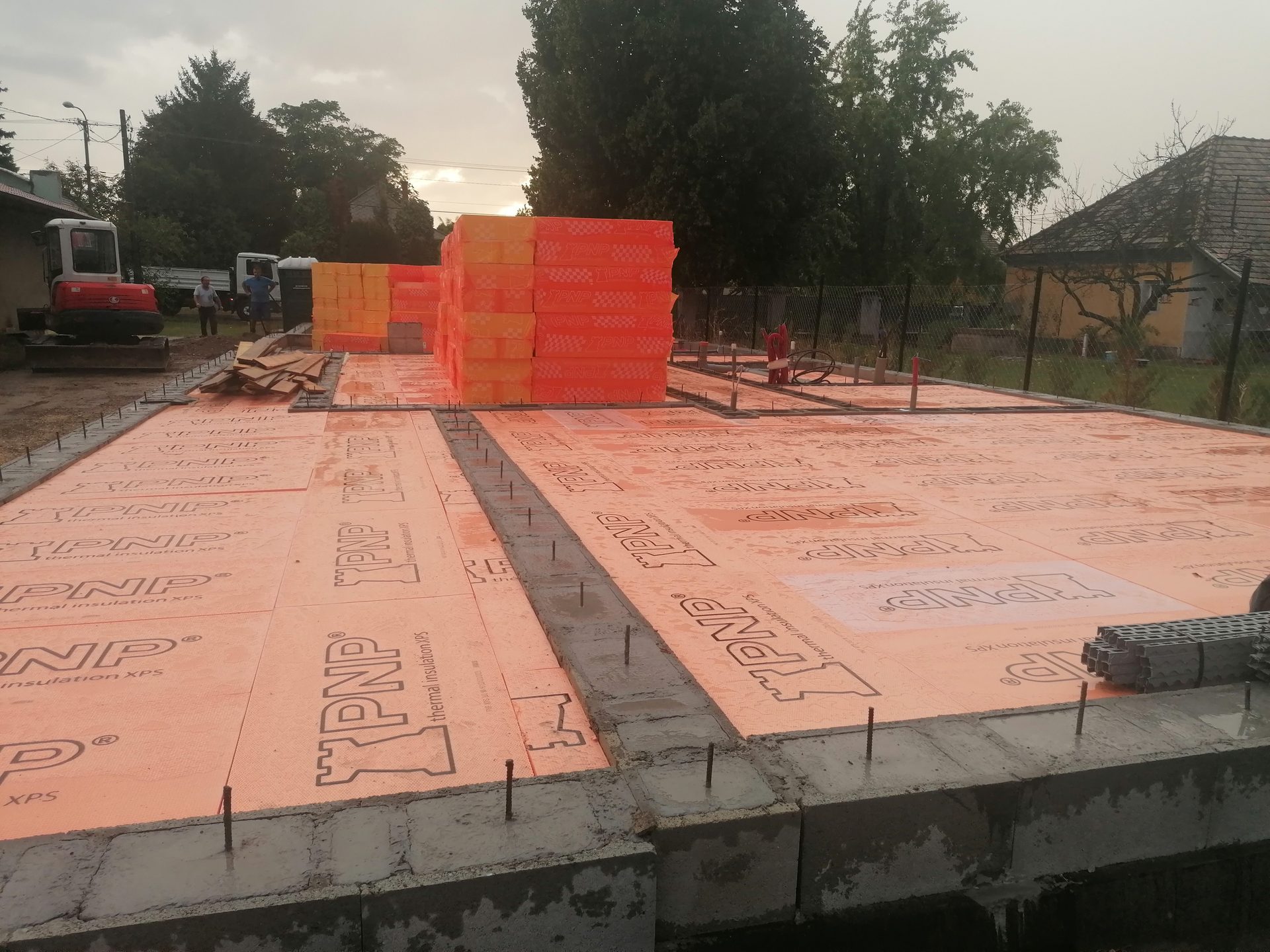
Foundation & Floor Slab XPS Insulation

Basement & Cellar Wall Insulation with PNP XPS
Inverted Flat Roofs — XPS Insulation Guide
Tapered Roof Insulation & Drainage Falls
XPS Insulation for Accessible Roofs, Terraces & Podium Decks


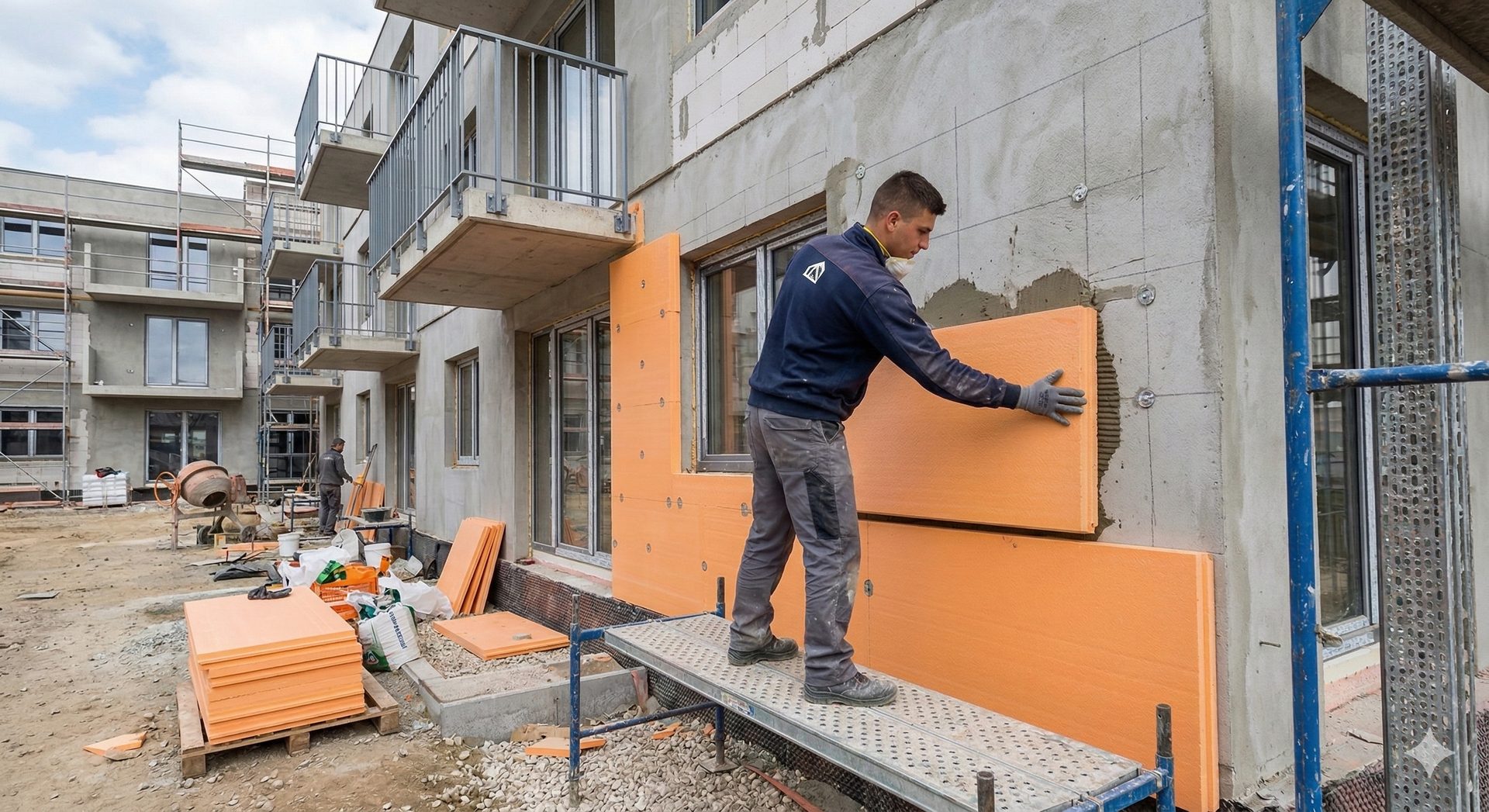
Basics

What Is XPS (Extruded Polystyrene) Insulation?
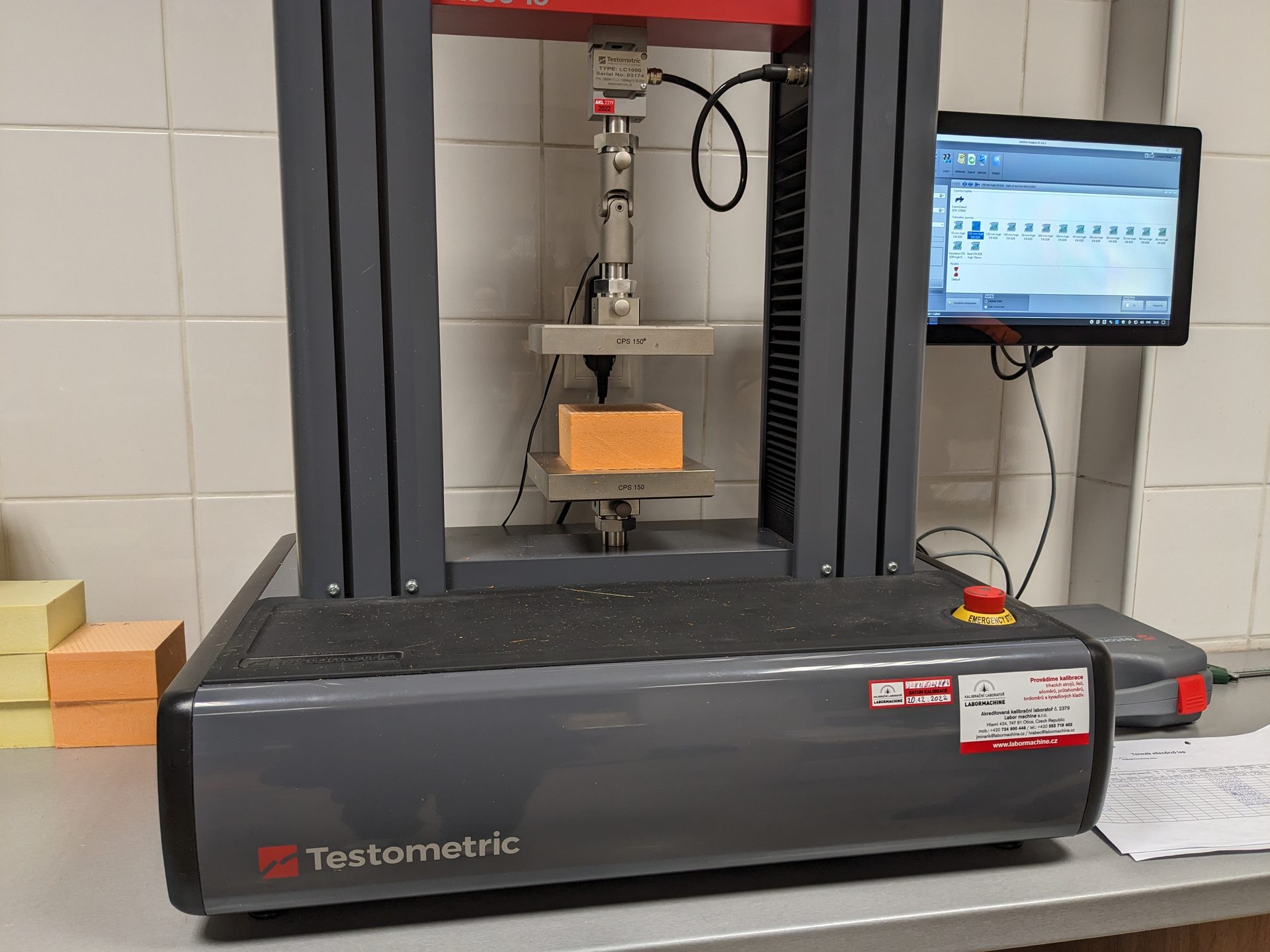
What Does '300 kPa' Compressive Strength Mean?
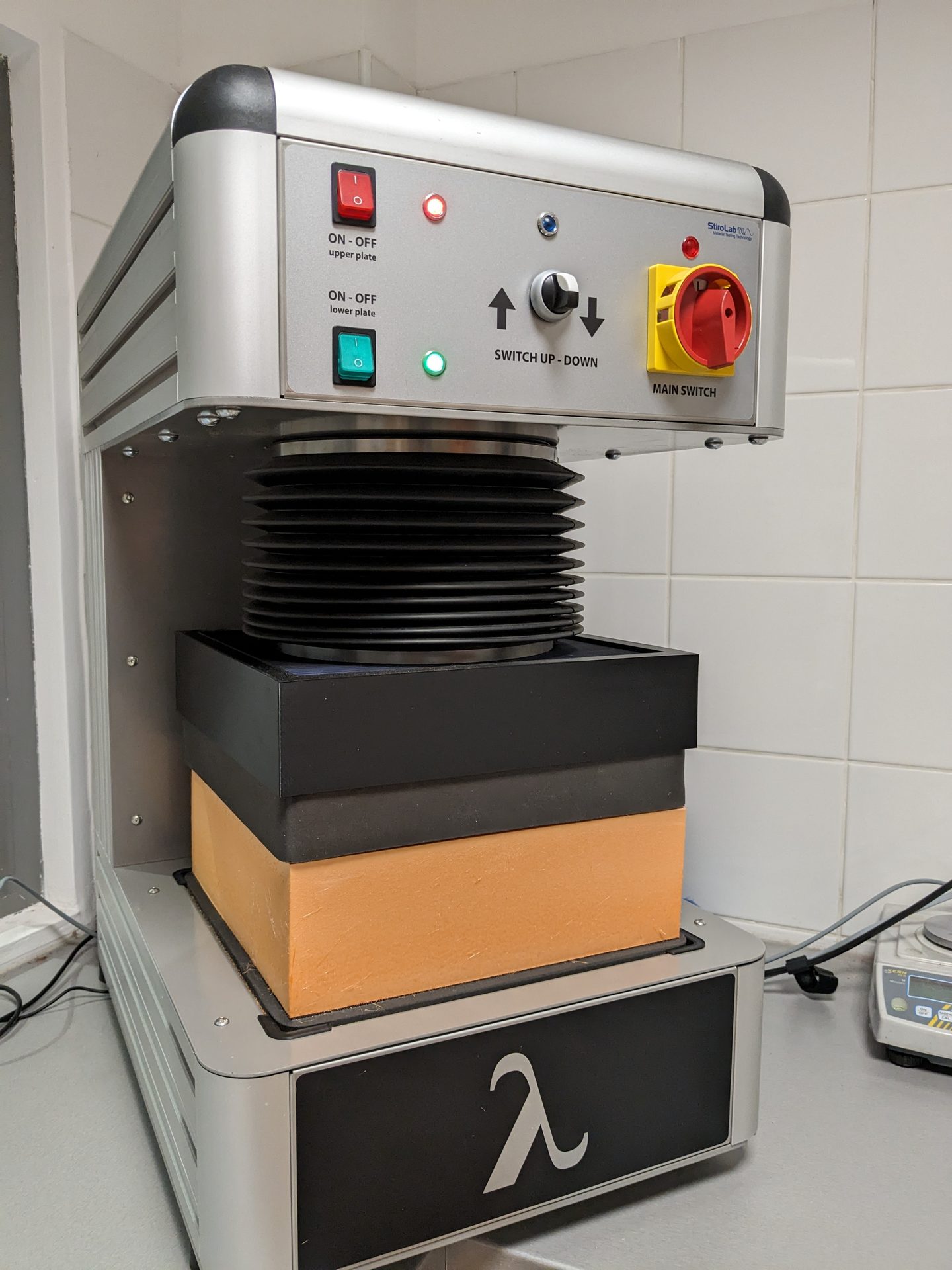
What Is λD (Declared Thermal Conductivity) in XPS?
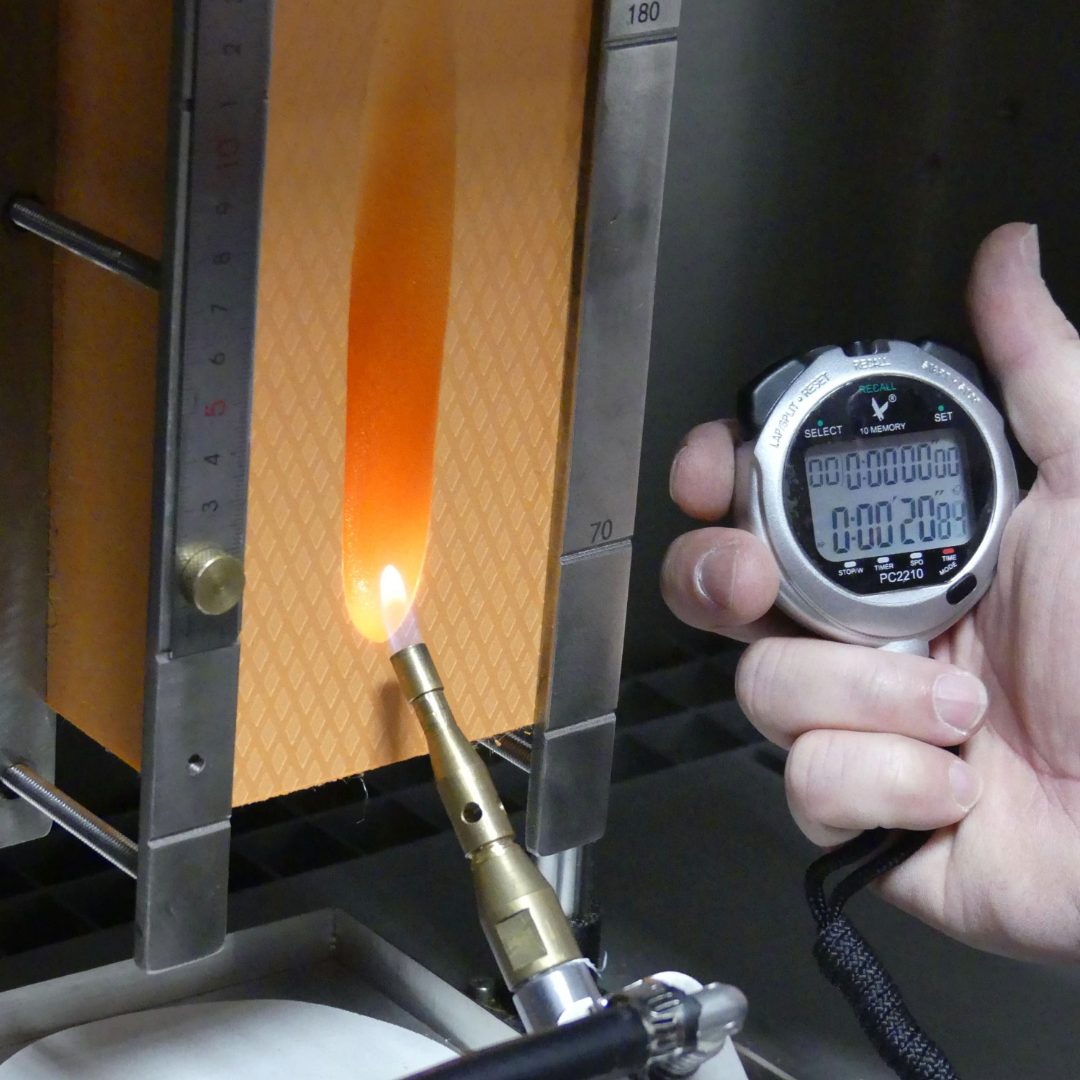
XPS Reaction to Fire: Euroclass E and F Explained

Is XPS Resistant to Freeze–Thaw Cycles?
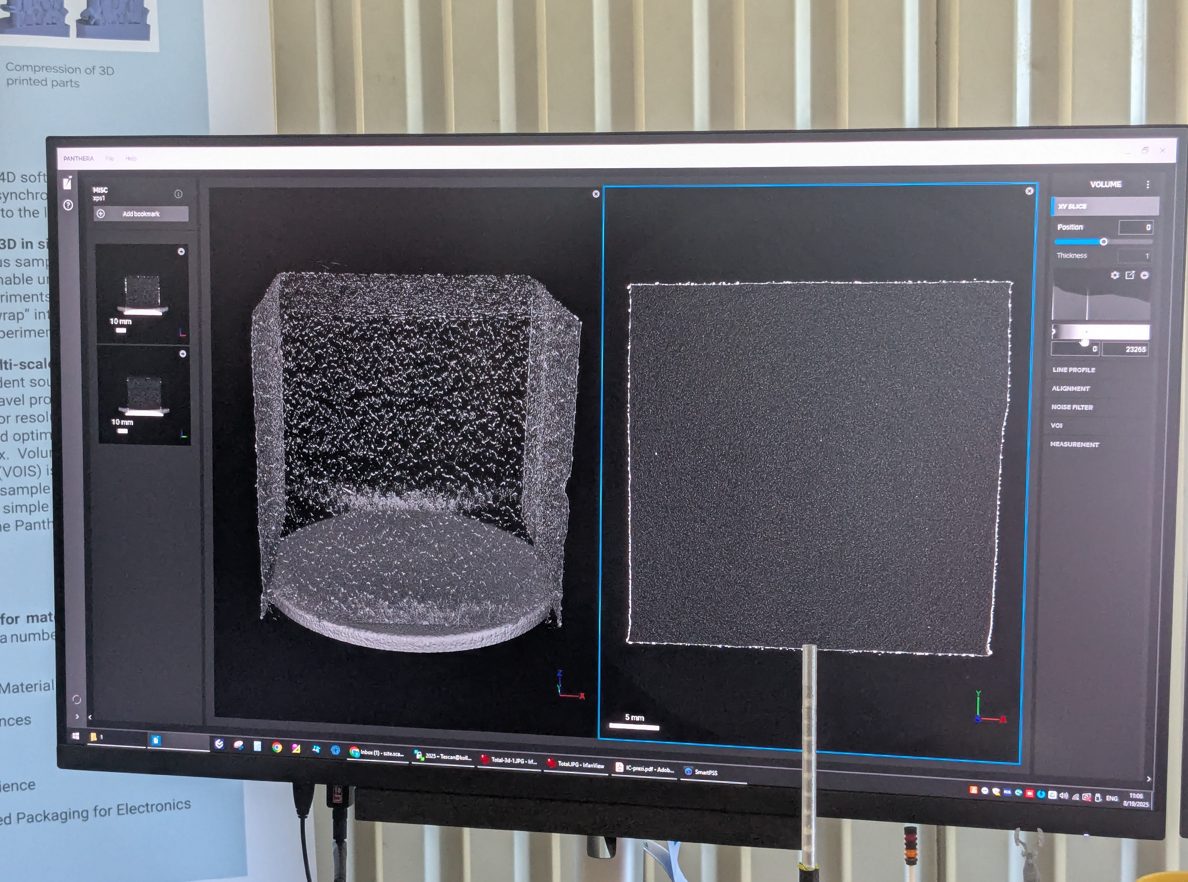
Why XPS Has a Closed-Cell Structure and Why It Matters
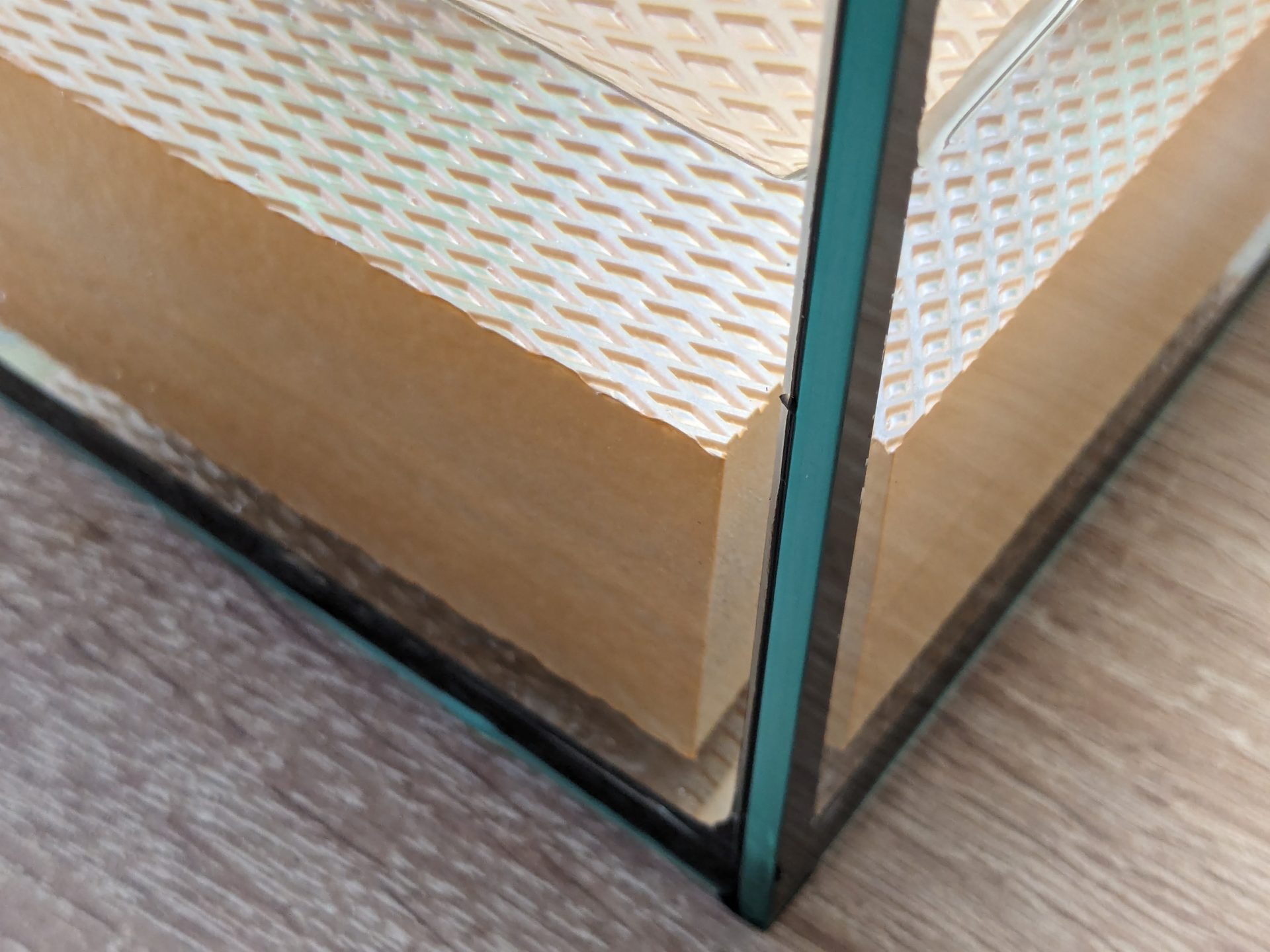
WL(T) Long-Term Water Absorption in XPS Explained

How Long Does XPS Keep Its Insulation Value?
Design & specification
Dimensional Stability of XPS at Temperature and Humidity
What Is an EPD and How to Use It in a Building Assessment?
How to Calculate the R-Value of an XPS Insulation Layer
EN 13164 Explained: The XPS Insulation Standard
How to Specify XPS in Tender Documents
PNP XPS BIM Objects: Where to Get Them and How to Use Them
Compressive Creep in XPS: What It Is and Why Floors Need It
Follow us on Facebook
Stay up to date with factory news, innovations and projects across Europe. Subscribe to be the first to know about new PNP XPS solutions.
Go to Facebook