What is the closed-cell structure of XPS?
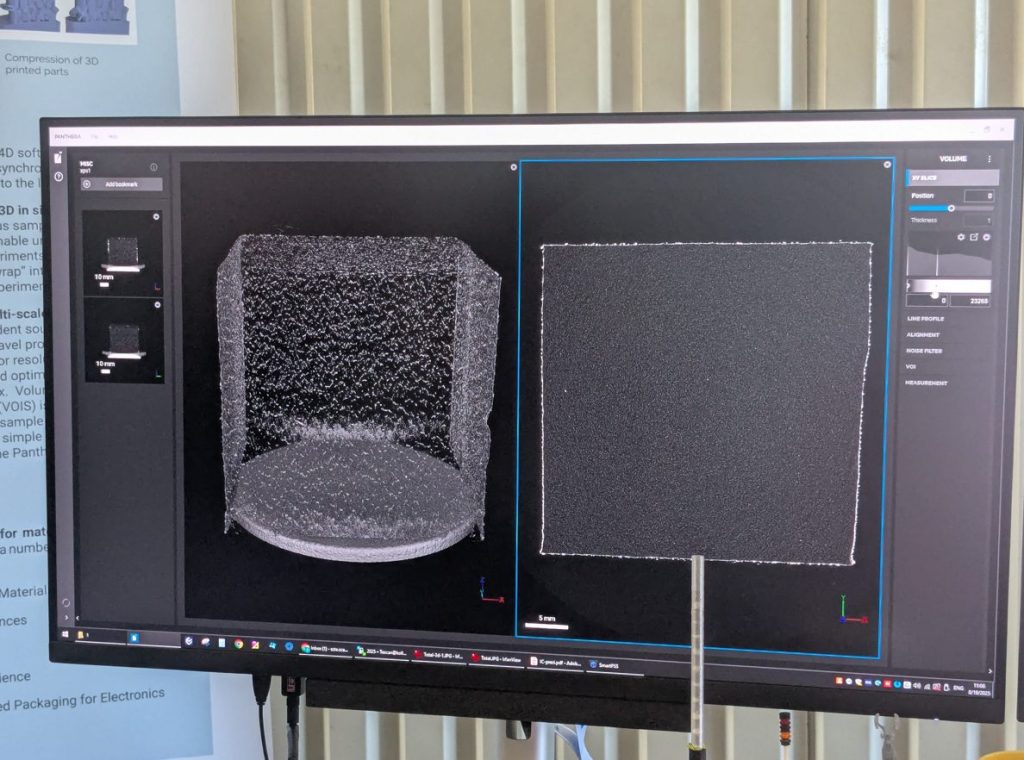
During extrusion, polystyrene melt is combined with a blowing agent and forced through a die under pressure. As the extrudate expands, each bubble of gas is captured and sealed inside its own polymer wall before it can connect to neighbouring bubbles. The result is a rigid foam in which the overwhelming majority of cells are fully enclosed — the closed-cell structure described in EN 13164:2012+A1:2015.
Every PNP XPS board — from XPS 150 to XPS 700 — is described in its technical data as having a homogeneous closed-cell structure. The cell walls themselves are load-bearing, which is why the same structural feature that limits water ingress also contributes to the high compressive strength of the board.
Why does the closed-cell structure limit water absorption?
Water can only enter foam insulation through connected, open pathways. Because the cells in XPS are sealed and independent, bulk liquid water has no continuous channel to travel through the board. This is confirmed by the declared long-term water absorption by total immersion (WL(T)) values across the PNP XPS range:
ProductSurfaceWL(T)XPS 150Smooth≤ 0.7 Vol.-%XPS 150 W X-GripWaffled≤ 0.7 Vol.-%XPS 300Smooth≤ 0.7 Vol.-%XPS 300 WWaffled≤ 0.7 Vol.-%XPS 500Smooth≤ 0.7 Vol.-%XPS 700Smooth≤ 0.7 Vol.-%
Milled and grooved (MG) variants show higher WL(T) values (≤ 3.0 Vol.-%) because the surface machining cuts through some cell walls at the board face, but the core closed-cell structure of those boards remains intact.
Low water absorption is critical in applications where the insulation is in permanent contact with water or soil — foundations, inverted roofs, and road construction — because water in insulation raises effective thermal conductivity and can cause freeze–thaw damage.
How the closed-cell structure supports freeze–thaw resistance
When water trapped inside an insulation layer freezes, it expands by approximately 9 %. Open-cell materials that have absorbed significant water can suffer internal cracking under repeated freeze–thaw cycles. Because PNP XPS smooth-surface boards absorb so little water (WL(T) ≤ 0.7 Vol.-%), the volume of ice that can form inside the board is negligible.
Where declared, the freeze–thaw resistance after long-term water absorption by diffusion (FTCD) for XPS 300, XPS 300 W, XPS 500, and XPS 700 is rated FTCD 1 (≤ 1 Vol.-%), meeting the requirement set out in EN 13164:2012+A1:2015. This supports the suitability of these boards for buried and exposed applications in Central and Eastern European climates where sub-zero temperatures are sustained.
Whether a specific product meets the freeze–thaw requirement for a particular national application is an engineering decision; consult the relevant DoP and a qualified designer.
Dimensional stability and long-term thermal performance
The sealed-cell skeleton also acts as an internal scaffold. Each cell wall resists the creep and shrinkage that can cause open-cell or loosely bonded insulation to settle or gap over time. All PNP XPS products in the data carry the dimensional stability classification DS(70,90), meaning that after 90 days at 70 °C the linear dimensional change is within the declared limit.
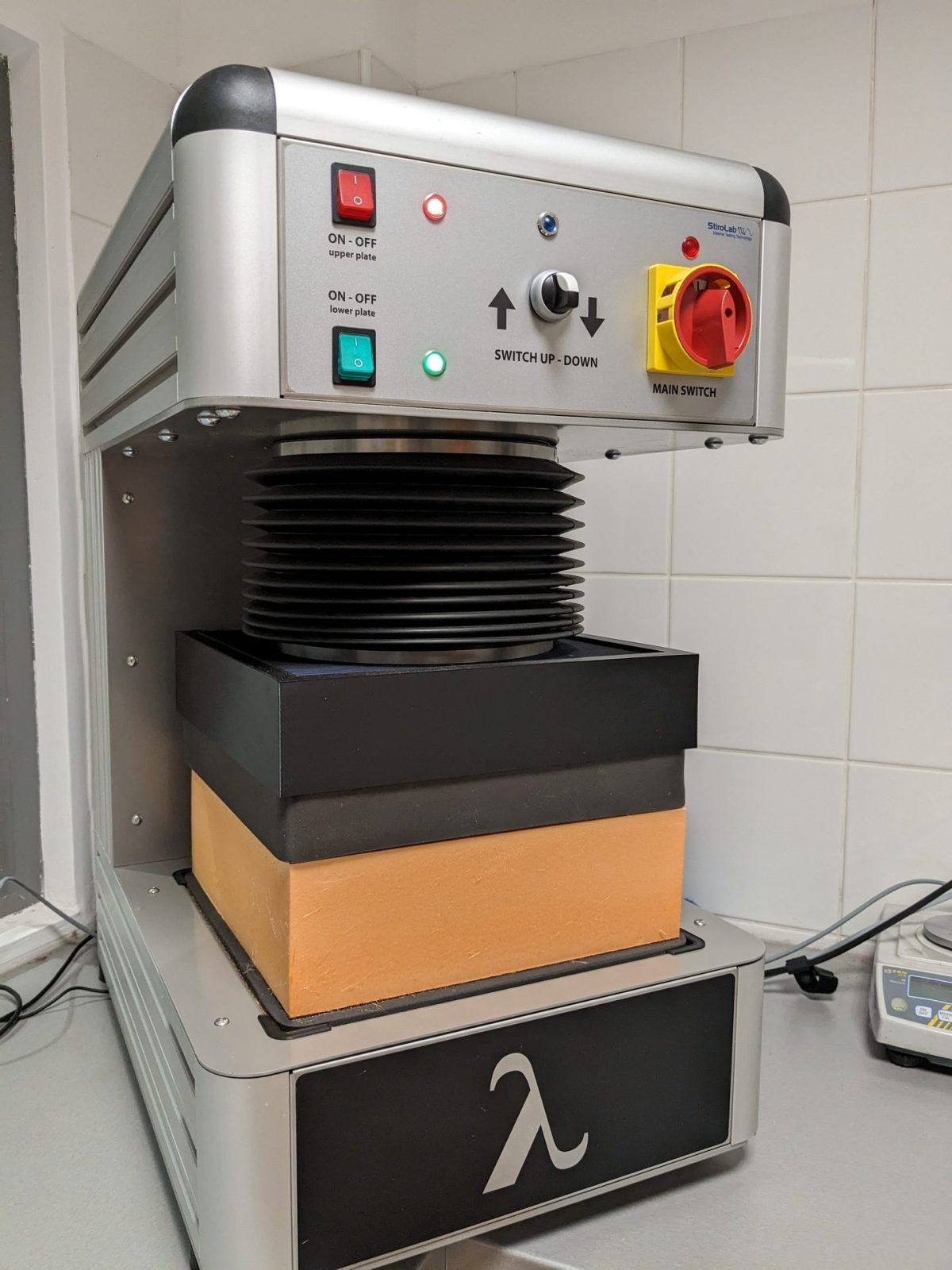
Stable dimensions matter because an insulation layer that warps or shrinks creates thermal bridges at joints. Combined with the consistently declared λD of 0.034 W/(m·K) (20–100 mm thickness) or 0.035 W/(m·K) (120–150 mm thickness), the closed-cell structure is the reason designers can rely on the same thermal resistance value at installation and decades later.
Compressive strength and the cell wall
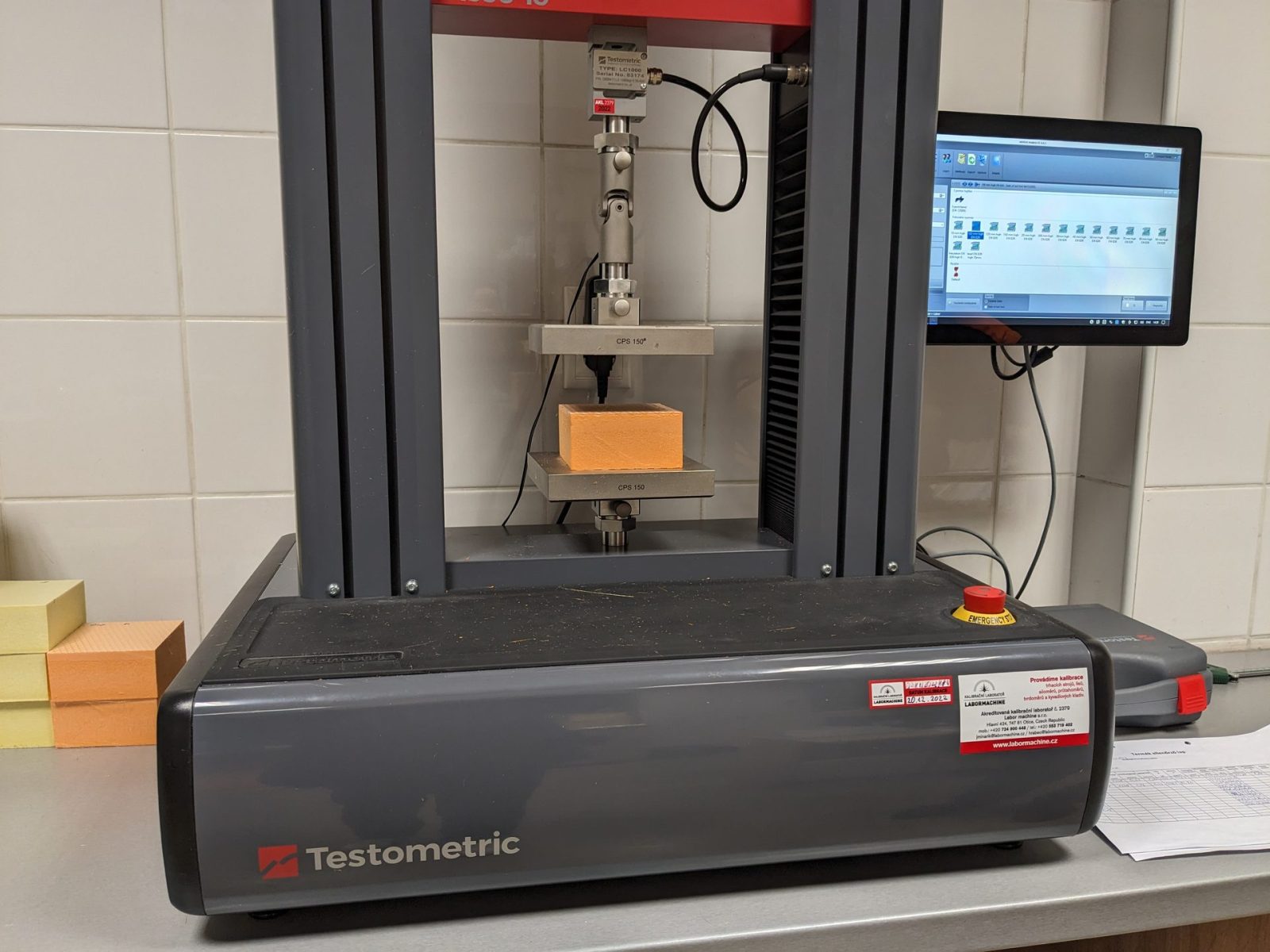
Compressive load applied to an XPS board is distributed across the polymer walls of thousands of closed cells acting in parallel. The denser and more uniform the cell structure, the higher the load the board can carry before reaching 10 % deformation or yield — the reference condition for the CS(10\Y) classification in EN 826.
PNP XPS boards range from CS(10\Y) 150 (≥ 150 kPa) for cavity and non-load-bearing applications up to CS(10\Y) 700 (≥ 700 kPa) for civil engineering and road construction. The closed-cell structure is the common physical basis for all these grades; the differences arise from density and formulation. See What Does '300 kPa' Compressive Strength Mean? for a detailed explanation of the classification.
Surface variants and what they change — and what they do not
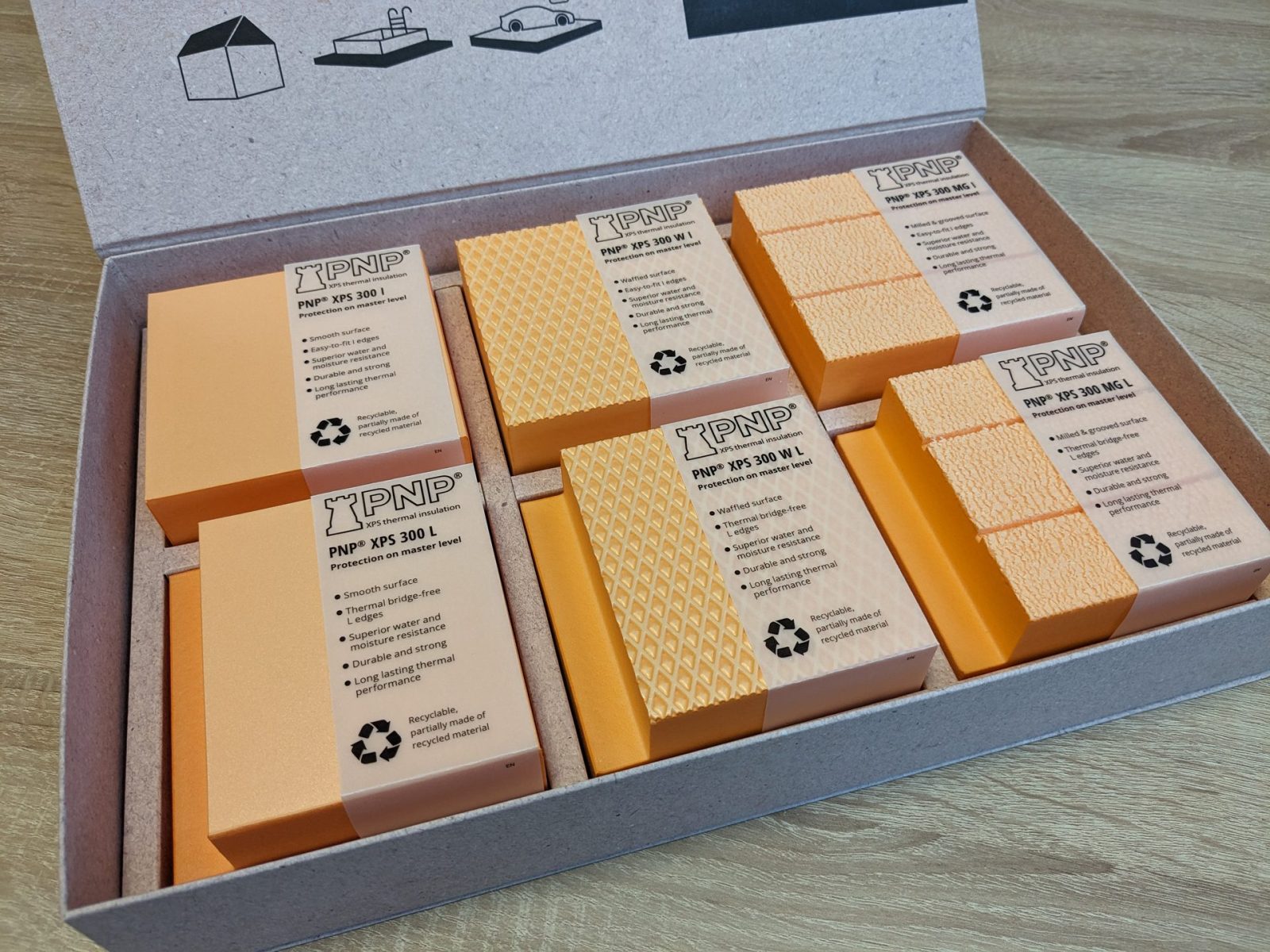
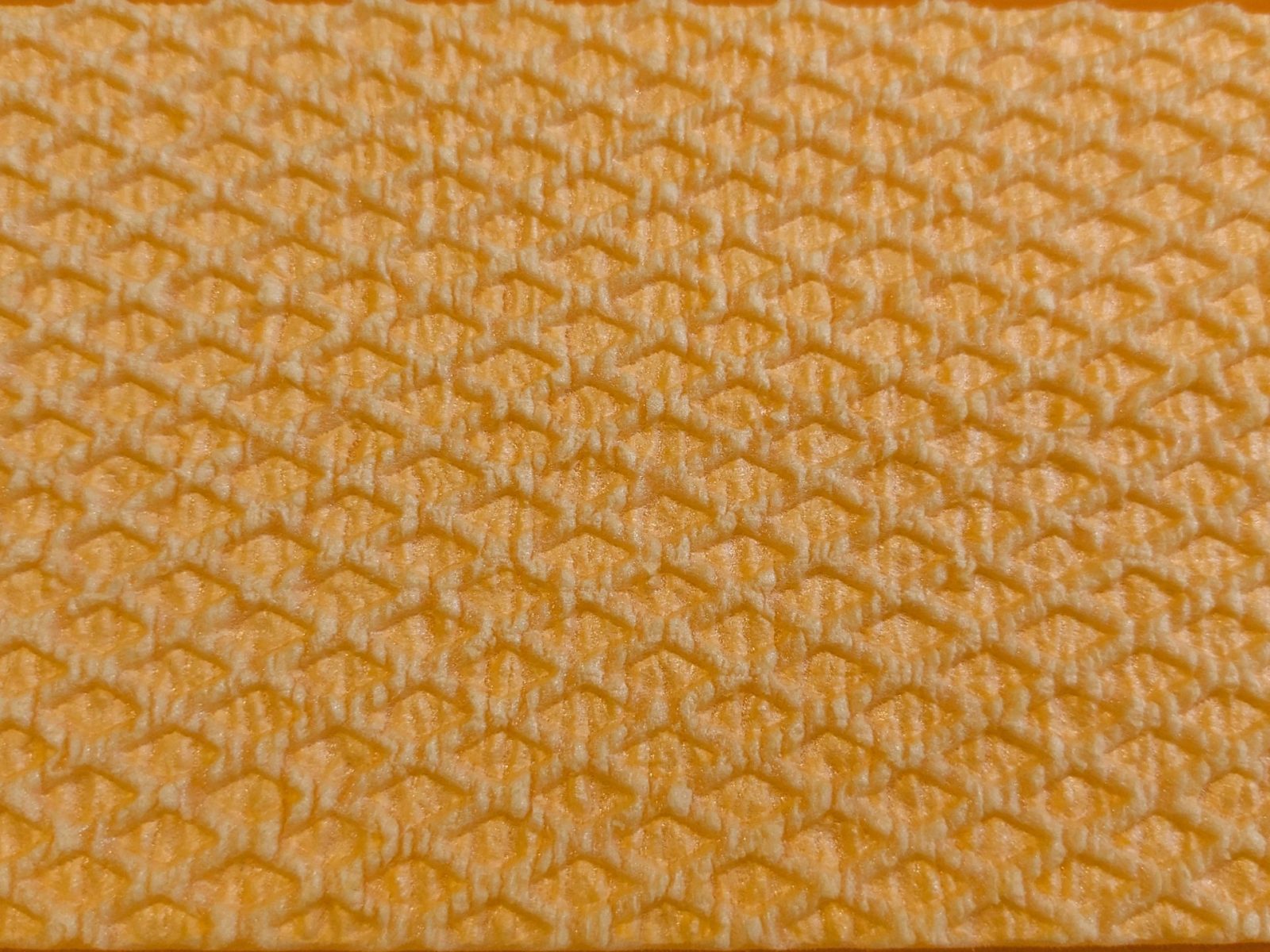
PNP XPS is available with smooth, waffled (W / X-Grip), and milled-and-grooved (MG) surfaces. These surface treatments affect adhesion of renders and adhesives but do not change the closed-cell nature of the core. The waffled surface of XPS 150 W X-Grip and XPS 300 W is an embossed pattern formed during extrusion; the cells beneath remain sealed. Milled and grooved surfaces are machined after extrusion, which does open cells at the very surface — reflected in the higher WL(T) of ≤ 3.0 Vol.-% — but the bulk of the board retains its closed-cell insulating core.
Smooth boards: highest surface integrity, WL(T) ≤ 0.7 Vol.-%, suited to buried and inverted-roof applications.
W / X-Grip boards: waffled surface for bonded systems, WL(T) ≤ 0.7 Vol.-%, core properties unchanged.
MG boards: milled and grooved for mechanical keying in ETICS, WL(T) ≤ 3.0 Vol.-%, core closed-cell structure intact.
For guidance on choosing between surface variants, see XPS 300 vs XPS 300 W — Smooth or Waffled Surface? and Which PNP XPS Should I Choose?
Sources
EN 13164:2012+A1:2015 — Factory made products of extruded polystyrene foam (XPS) — Specification
EN 826 — Thermal insulating products for building applications — Determination of compression behaviour
XPS 150 technical data sheet: pnp_xps150-150TB_600x1250_techcard_en (updated 2026-07-22)
XPS 150 W X-Grip technical data sheet: pnp_xpsX-Grip_X-GripTB_600x1250_techcard_en (updated 2026-07-22)
XPS 300 technical data sheet: pnp_xps300-300TB_600x1250_techcard_en (updated 2026-07-22)
XPS 300 W technical data sheet: pnp_xps300W-300WTB_600x1250_techcard_en (updated 2026-07-22)
XPS 500 technical data sheet: pnp_xps500-500TB_600x1250_techcard_en (updated 2026-07-22)
XPS 700 technical data sheet: pnp_xps700_600x1250_techcard_en (updated 2025-03-17)
XPS 150 MG technical data sheet: pnp_xps150MG_600x1250_techcard_en (updated 2025-03-17)
XPS 300 MG technical data sheet: pnp_xps300MG_600x1250_techcard_en (updated 2025-03-17)
DoP PNP XPS 300 EMI_en (U) (updated 2025-10-14)
DoP PNP XPS 500_en (U) (updated 2025-07-22)
DoP PNP XPS 700_eng (updated 2025-03-17)
EPD — PNP XPS (Várpalota plant), updated 2025-03-19