Direct Answer
PNP XPS boards are highly resistant to freeze–thaw cycling. Multiple grades carry the declaration FTCD 1 (≤ 1 Vol.-%) under EN 13164:2012+A1:2015, meaning that after the standardised freeze–thaw test the increase in water absorption by diffusion remains at or below 1 Vol.-%. This alone does not prove zero degradation in every conceivable site condition, but the test result establishes a reliable performance threshold for the applications covered by the standard.
Why Freeze–Thaw Resistance Matters
Frost damage in insulation materials follows a simple mechanism: water trapped inside the material expands on freezing (approximately 9 % volume increase), creating internal stresses that progressively break down the material's structure. After many cycles this leads to cracking, increased water uptake, and loss of thermal performance.
Applications most exposed to this risk include:
Inverted roofs (XPS above the waterproofing membrane, in contact with standing water and weather)
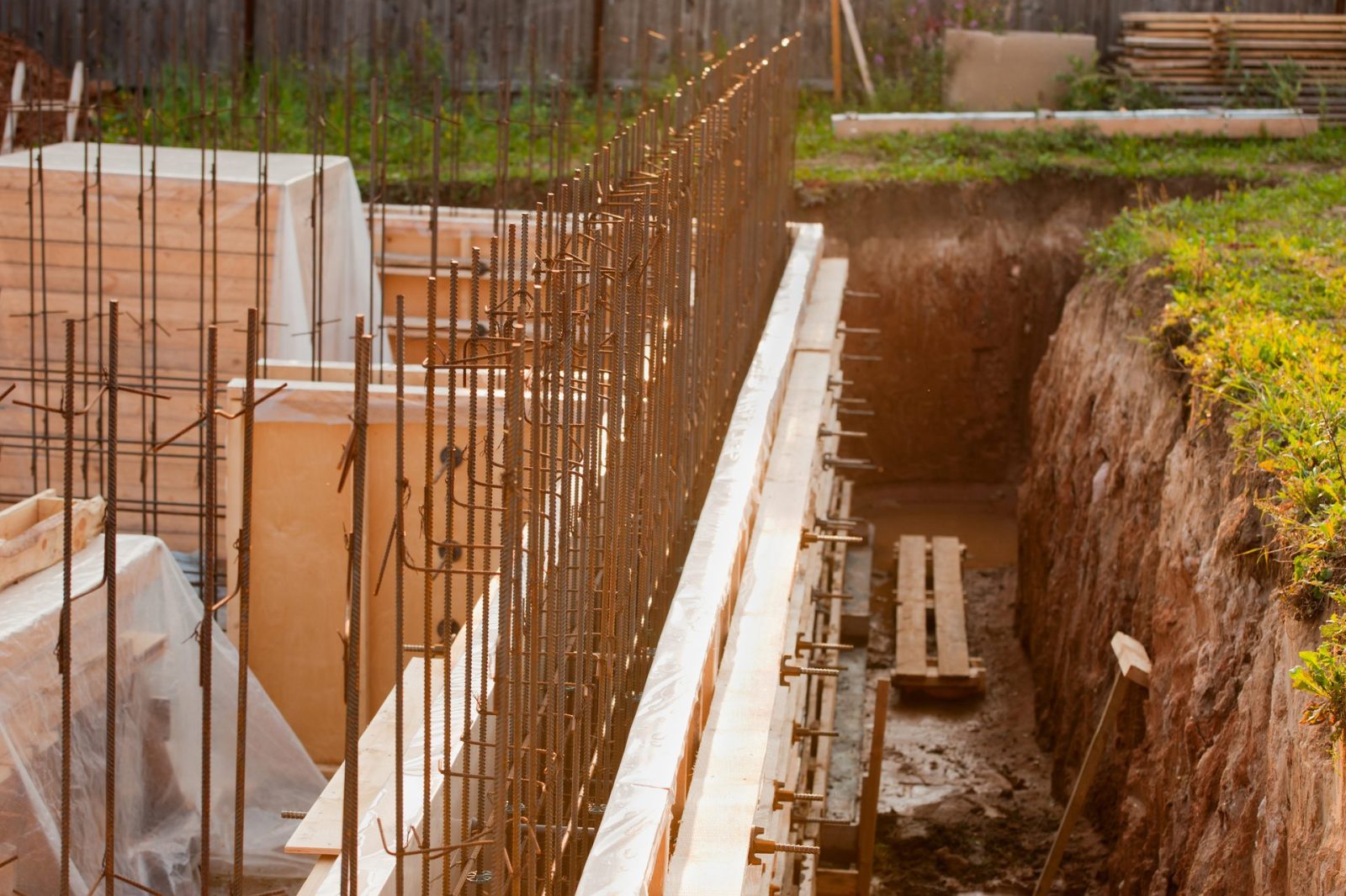
Foundation perimeter and basement walls in frost-susceptible soils
Road and pavement insulation on heaving soils
Balconies, terraces, and podium decks
Shallow foundations in climates with frequent freeze–thaw alternation (relevant across Central and Eastern Europe)
The Closed-Cell Mechanism
Extruded polystyrene is manufactured through a continuous extrusion process that produces a homogeneous closed-cell structure. Individual gas-filled cells are sealed from one another, so capillary transport of liquid water — the primary route for frost damage — is structurally inhibited.
This supports the low water-absorption figures declared for PNP XPS boards:
WL(T) 0.7 — long-term water absorption by total immersion ≤ 0.7 Vol.-% (smooth and waffled grades)
WL(T) 3 — ≤ 3.0 Vol.-% (milled-and-grooved grades, where the surface has been mechanically opened)
Because little water can enter the board, there is little water to freeze. The FTCD result is a downstream consequence of the material's low permeability.
Which PNP XPS Grades Carry the FTCD 1 Declaration?
The table below lists every PNP XPS product for which freeze–thaw resistance is declared in the available data. Products not listed do not have FTCD data in the current DATA set — consult the relevant TDS or DoP for confirmation.
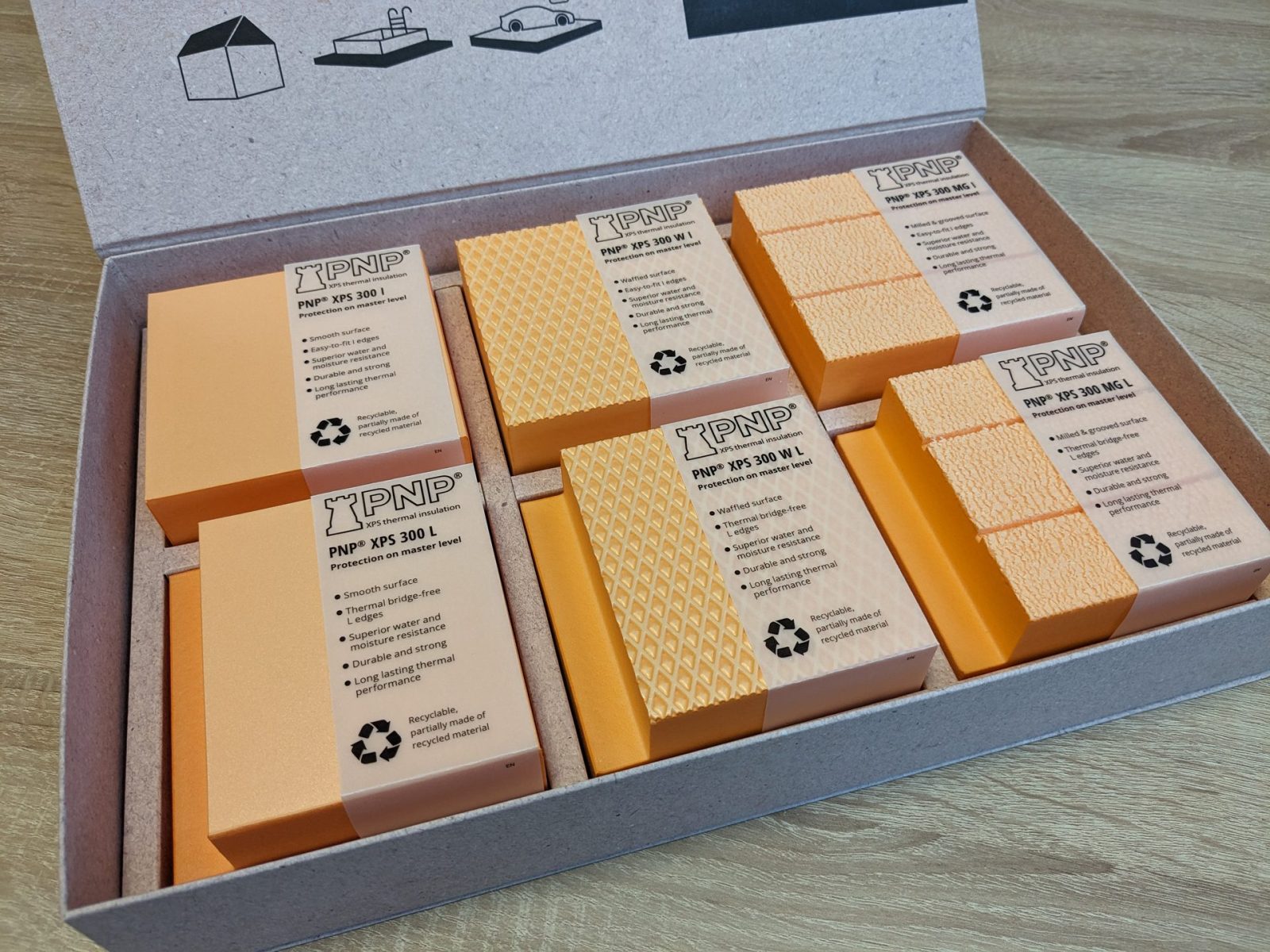
ProductCompressive strengthFTCD ratingWL(T)WD(V)XPS 200200 kPaFTCD 1 (≤ 1 Vol.-%)WL(T) 0.7WD(V) 3XPS 200 MG200 kPaFTCD 1 (≤ 1 Vol.-%)WL(T) 3WD(V) 3XPS 200 W200 kPaFTCD 1 (≤ 1 Vol.-%)WL(T) 0.7WD(V) 3XPS 300300 kPa (>30 mm)FTCD 1 (≤ 1 Vol.-%)WL(T) 0.7WD(V) 3XPS 300 MG300 kPaFTCD 1 (≤ 1 Vol.-%)WL(T) 3WD(V) 4XPS 300 W300 kPa (>30 mm)FTCD 1 (≤ 1 Vol.-%)WL(T) 0.7WD(V) 3XPS 500500 kPaFTCD 1 (≤ 1 Vol.-%)WL(T) 0.7WD(V) 3XPS 700700 kPaFTCD 1 (≤ 1 Vol.-%)WL(T) 0.7WD(V) 3
Note: XPS 150, XPS 150 W X-Grip, XPS 150 MG, and XPS 400 do not have a freeze–thaw (FTCD) value listed in the available data. See the current TDS or DoP for those grades before specifying them in freeze–thaw-exposed positions.
Understanding the FTCD Test
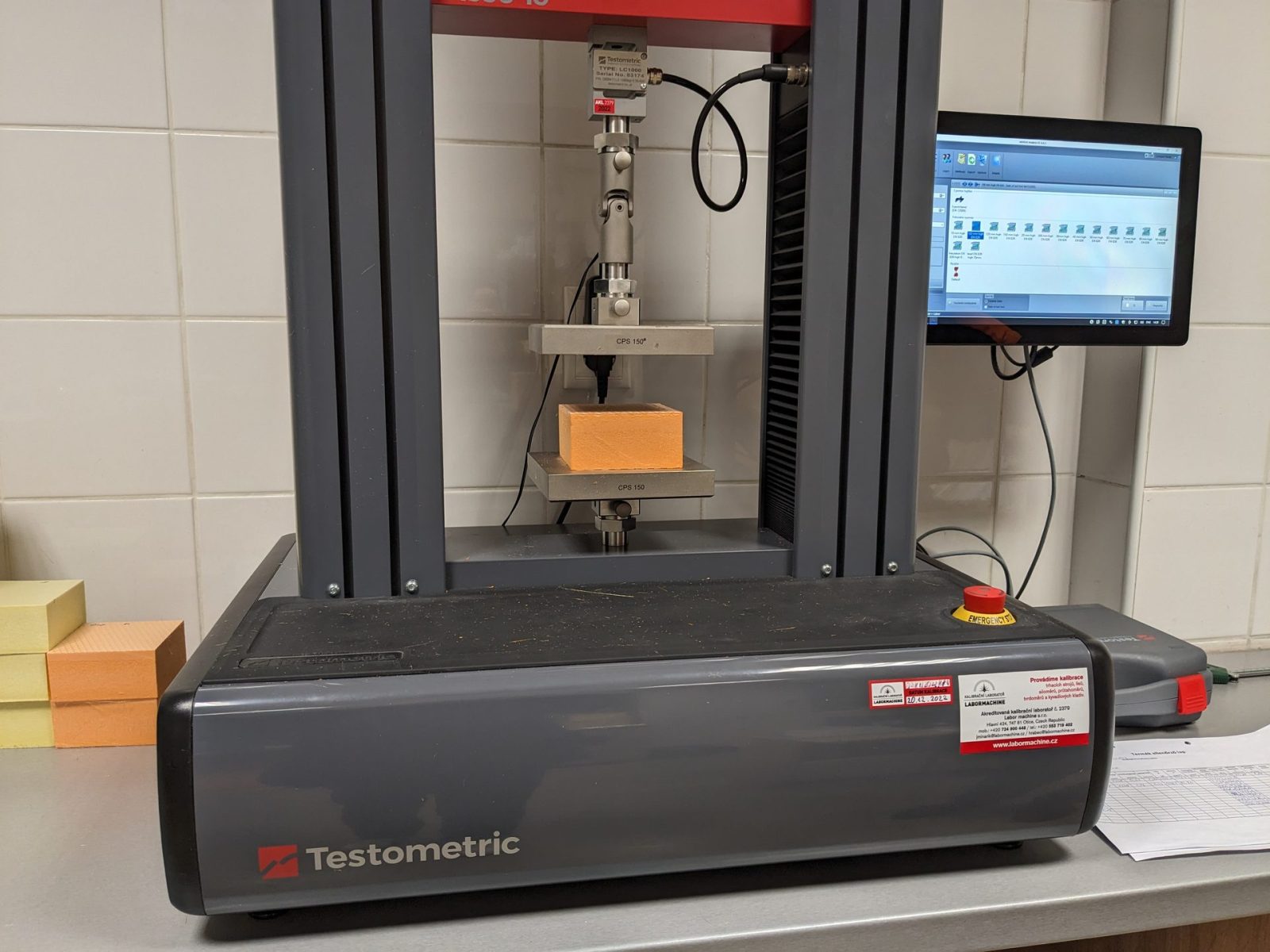
Under EN 13164:2012+A1:2015, the freeze–thaw test (FTCD) is performed after prior conditioning by water-vapour diffusion (WD(V)). The specimen is subjected to repeated freeze–thaw cycles and the additional water uptake is measured. The class FTCD 1 means the additional absorption does not exceed 1 Vol.-%.
This sequence — diffusion conditioning first, then freeze–thaw — is deliberately conservative: it assesses the material after it has already absorbed moisture through vapour diffusion, simulating long-term in-service exposure rather than a pristine board.
Where a real engineering decision depends on the number of freeze–thaw cycles specific to a project location, the depth of frost penetration, or country-specific standards, always consult the current TDS and DoP and engage a qualified designer.
Practical Implications for Common Applications
The FTCD 1 rating supports the use of PNP XPS boards in the following applications where frost exposure is a primary concern:
Inverted roofs — XPS sits above the waterproofing layer, directly exposed to rainwater and freezing temperatures. The low water uptake confirmed by WL(T) and the FTCD 1 result support long-term performance in this position.
Foundation perimeter and basement walls — boards are in contact with ground moisture and subject to frost in the upper portion of the soil profile.
Road and pavement insulation — XPS 500 and XPS 700 combine the FTCD 1 rating with compressive strengths of 500 kPa and 700 kPa respectively, addressing both frost and mechanical demands simultaneously.
Balconies and terraces — periodically wet surfaces exposed to winter freezing; low water absorption and FTCD 1 performance are directly relevant.
This supports specification confidence in Central and Eastern European climates, but this alone does not prove suitability for every detail. System design, drainage provision, and local thermal-bridge calculations remain the responsibility of a qualified designer.
Sources
EN 13164:2012+A1:2015 — Factory-made products of extruded polystyrene foam (XPS)
DoP PNP XPS 200_en (U).pdf (updated 2025-08-14)
TDS pnp_xps200-200TB_600x1250_techcard_en(20.07.2026).pdf (updated 2026-07-22)
DoP PNP XPS 200 MG_eng.pdf (updated 2025-03-17)
TDS pnp_xps200MG_600x1250_techcard_en (21.07.2023).pdf (updated 2025-03-17)
DoP PNP XPS 200 W_en (U).pdf (updated 2025-08-14)
TDS pnp_xps200W-200WTB_600x1250_techcard_en(05.08.2025).pdf (updated 2026-07-22)
DoP PNP XPS 300 EMI_en (U).pdf (updated 2025-10-14)
TDS pnp_xps300-300TB_600x1250_techcard_en(20.07.2026).pdf (updated 2026-07-22)
DoP PNP XPS 300 MG_eng.pdf (updated 2025-03-17)
TDS pnp_xps300MG_600x1250_techcard_en (21.07.2023).pdf (updated 2025-03-17)
DoP PNP XPS 300 W EMI_en (U).pdf (updated 2025-10-13)
TDS pnp_xps300W-300WTB_600x1250_techcard_en(20.07.2026).pdf (updated 2026-07-22)
DoP PNP XPS 500_en (U).pdf (updated 2025-07-22)
TDS pnp_xps500-500TB_600x1250_techcard_en(20.07.2026).pdf (updated 2026-07-22)
DoP PNP XPS 700_eng.pdf (updated 2025-03-17)
TDS pnp_xps700_600x1250_techcard_en (21.07.2023).pdf (updated 2025-03-17)