What XPS Is and How It Is Made
XPS stands for extruded polystyrene thermal insulation board as defined by EN 13164:2012+A1:2015. General-purpose polystyrene is melted, mixed with a blowing agent, and forced continuously through a die. The extrusion process creates a homogeneous closed-cell structure — millions of sealed gas-filled cells — that gives XPS its characteristic combination of low thermal conductivity and mechanical strength.
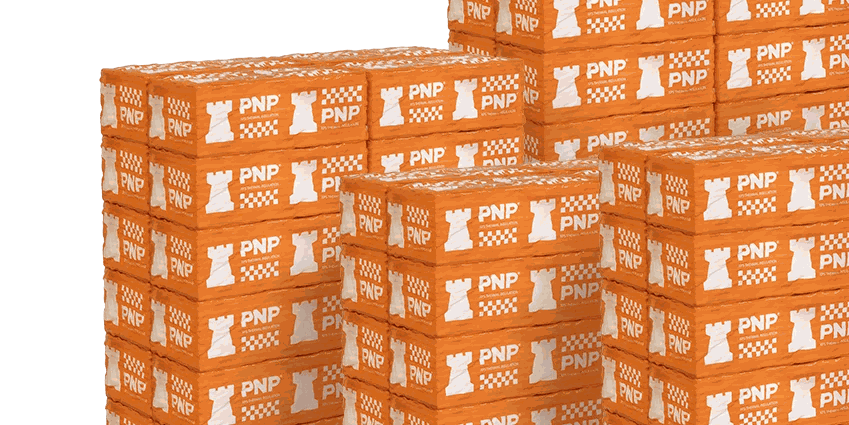
PNP Orange Kft. manufactures PNP XPS boards at its plant in Várpalota, Hungary, supplying markets across Central and Eastern Europe including HU, RO, DE, PL, CZ, SK, HR, BG and others.
Key Physical Properties
Because the cell walls are sealed and independent, very little water enters the board even after prolonged immersion or diffusion exposure. This is expressed as WL(T) — long-term water absorption by total immersion — which is ≤ 0.7 Vol.-% for smooth-surface PNP XPS grades and ≤ 3.0 Vol.-% for milled-and-grooved surface grades.
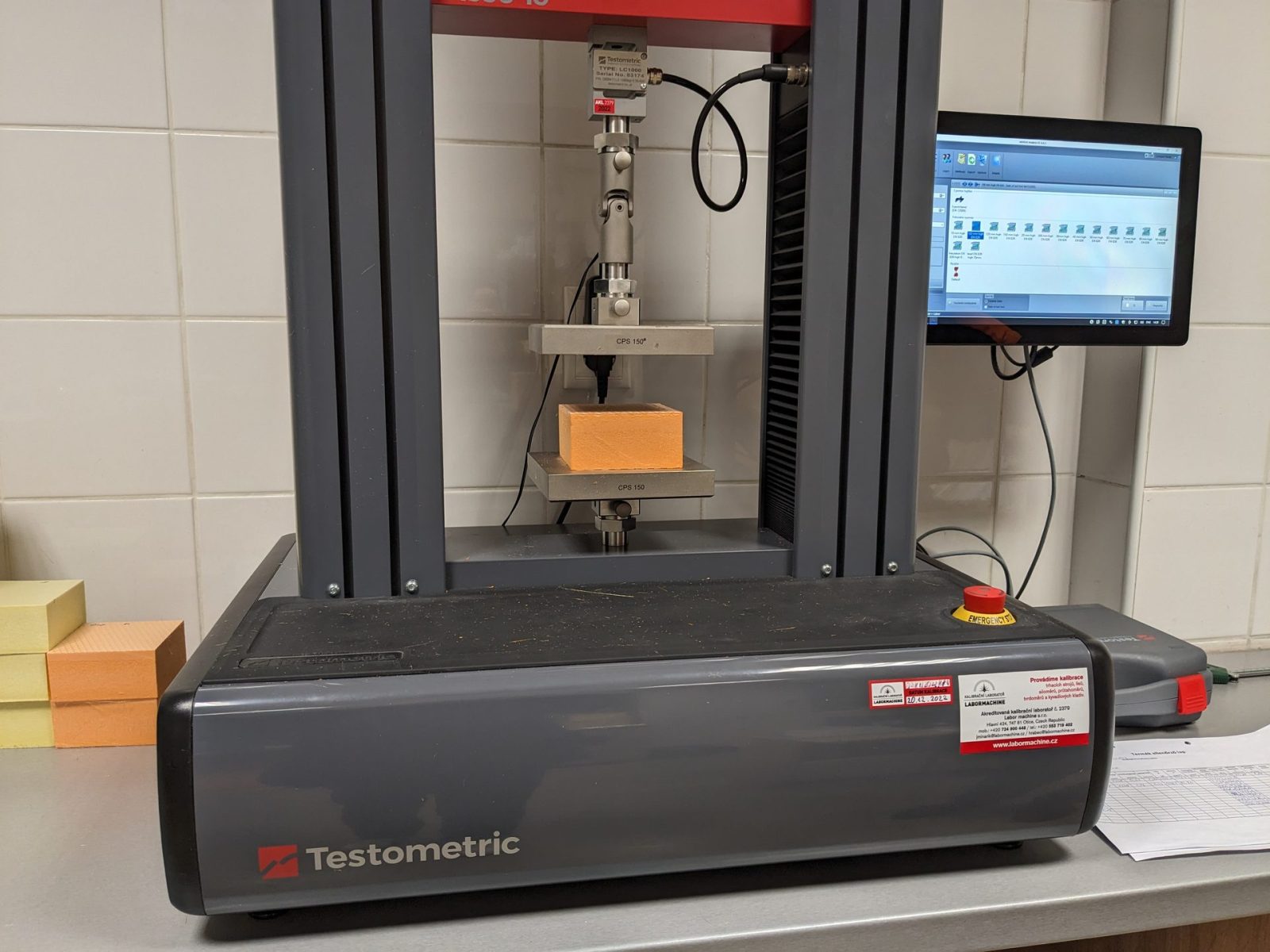
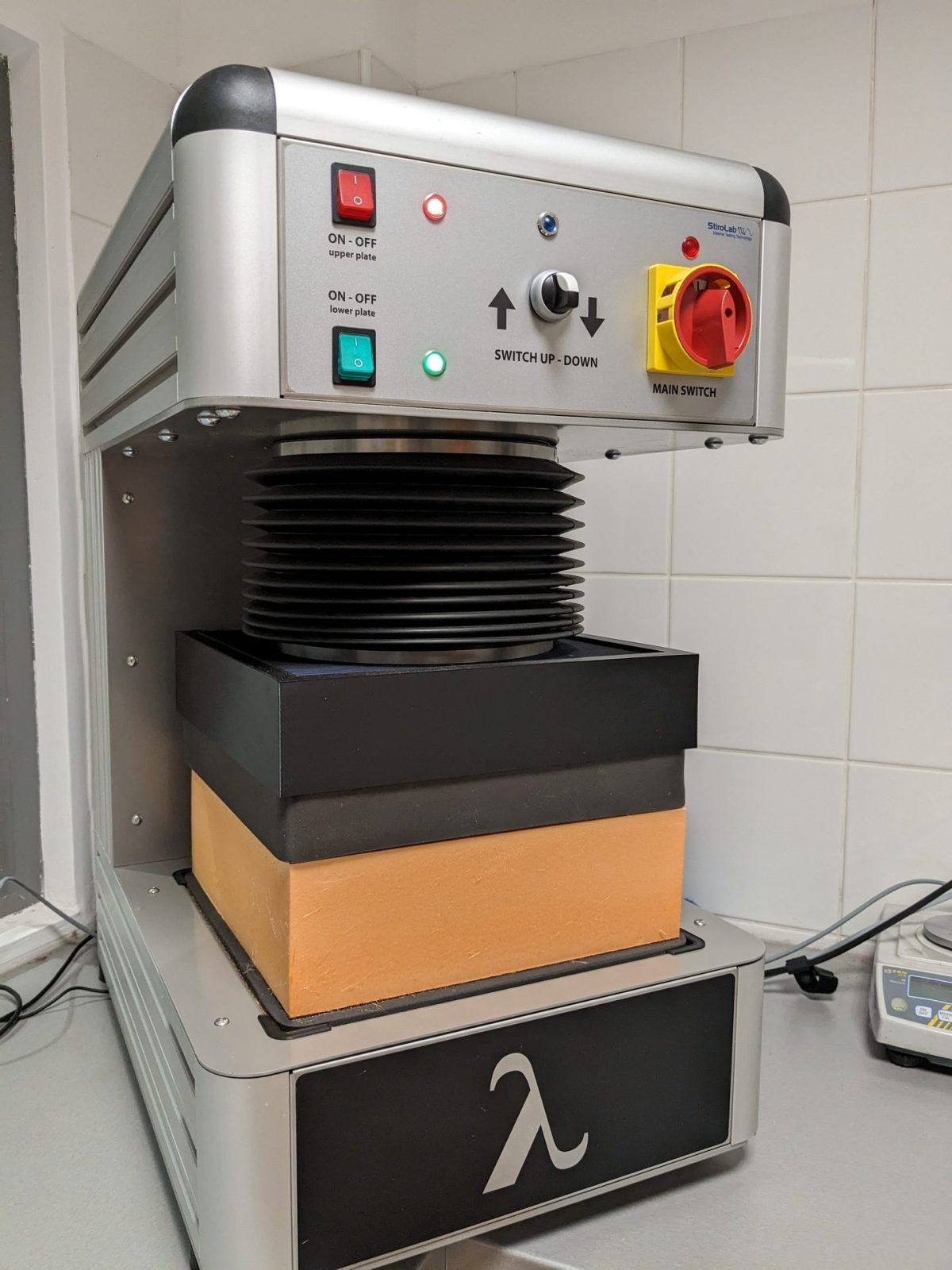
PropertyTypical PNP XPS valueStandard symbolDeclared thermal conductivity (λD)0.034–0.035 W/(m·K)λDCompressive strength at 10 % deformation150–700 kPa depending on gradeCS(10\Y)Long-term water absorption (immersion, smooth grades)≤ 0.7 Vol.-%WL(T)0.7Dimensional stabilityDS(70,90)DSOperating temperature range−70 … +75 °C—Reaction to fire (higher-strength grades)Euroclass E—Reaction to fire (150 kPa grades)Euroclass F—
All PNP XPS boards are REACH-compliant and contain no HBCDD or other substances of very high concern.
How XPS Differs from Other Insulation Types
The closed-cell extrusion process distinguishes XPS from expanded polystyrene (EPS), which is moulded from beads and has an open, bead-bonded structure, and from mineral wool, which is fibre-based. XPS boards are rigid, self-supporting, and dimensionally stable at the DS(70,90) level, meaning they retain their shape at 70 °C and 90 % relative humidity. These characteristics make XPS particularly suited to applications where moisture contact, sustained compressive load, or both are expected.
Never refer to XPS as "styrofoam" — that is a registered trade name for a different product and causes confusion in specification documents.
Where XPS Is Used
The closed-cell structure and range of compressive strength classes mean XPS boards can be specified across nearly every building element:
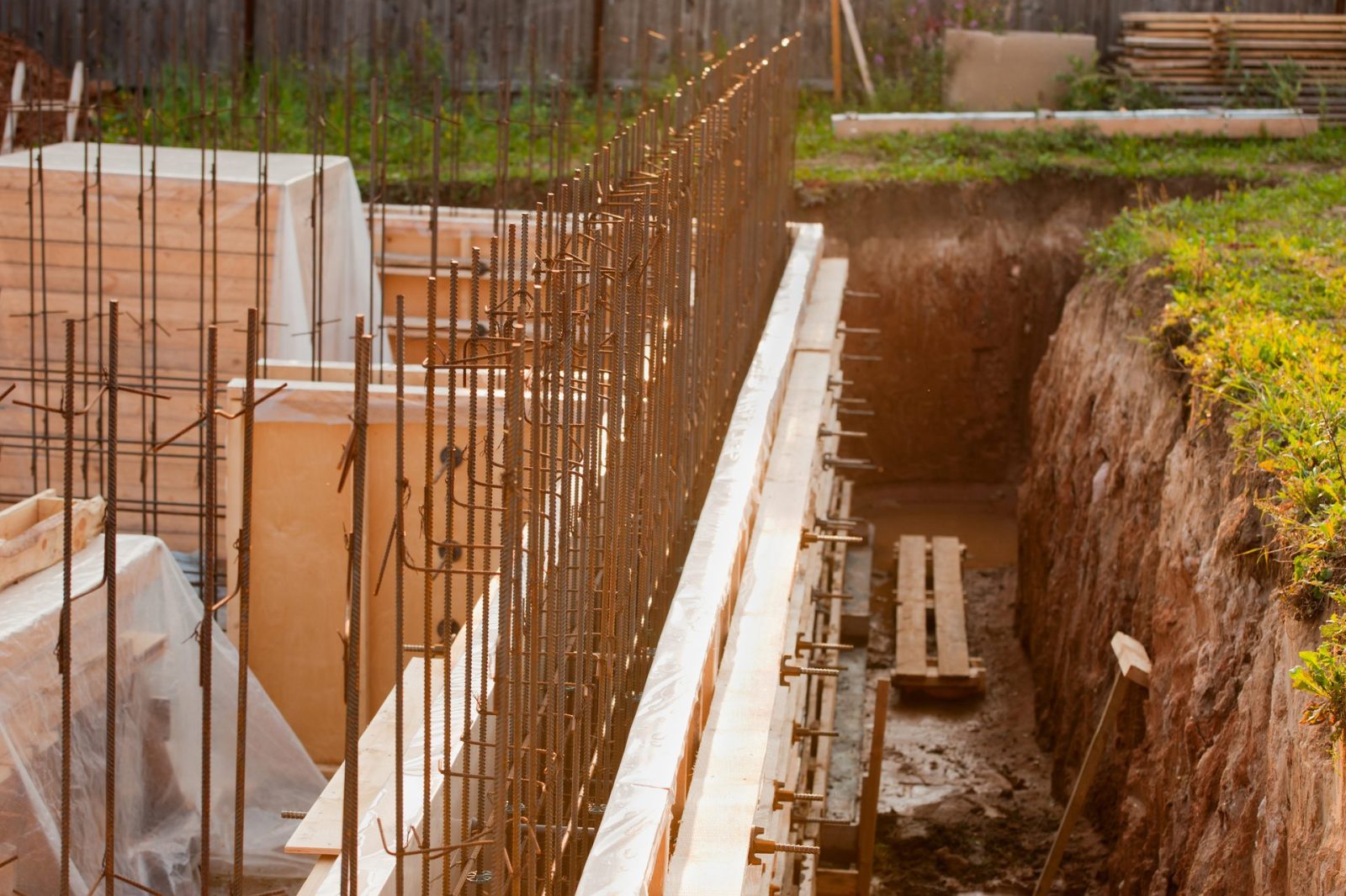
Foundations and buried structures — permanent ground contact, moisture and freeze–thaw resistance required.
Floors and ground slabs — compressive loads from furniture, vehicles, and industrial equipment; grades from 150 kPa to 700 kPa are available.
Flat roofs and inverted roofs — boards placed above the waterproofing membrane, exposed to ponding water and thermal cycling; factory-tapered XPS 300 SLOPE and XPS 150 SLOPE boards create drainage fall in a single layer.
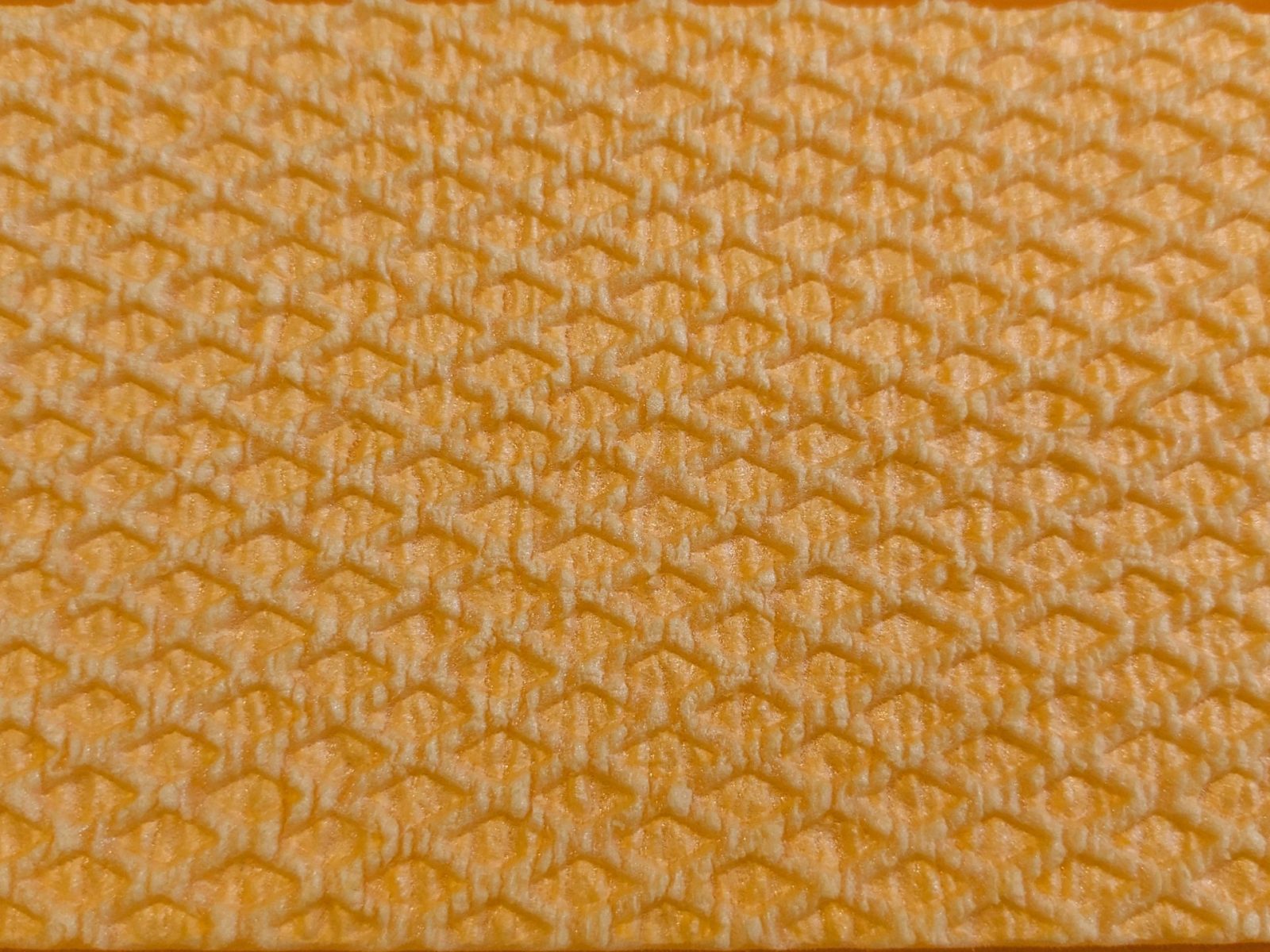
Facades and ETICS systems — waffled (W) and milled-and-grooved (MG) surface grades provide mechanical key for renders, adhesives, and tile-adhesive systems.
Road and civil engineering — XPS 500 and XPS 700 carry extreme static and dynamic loads while preventing frost heave under pavements.
For a full application-by-grade guide, see Which PNP XPS Should I Choose? Application Guide.
PNP XPS Product Range at a Glance
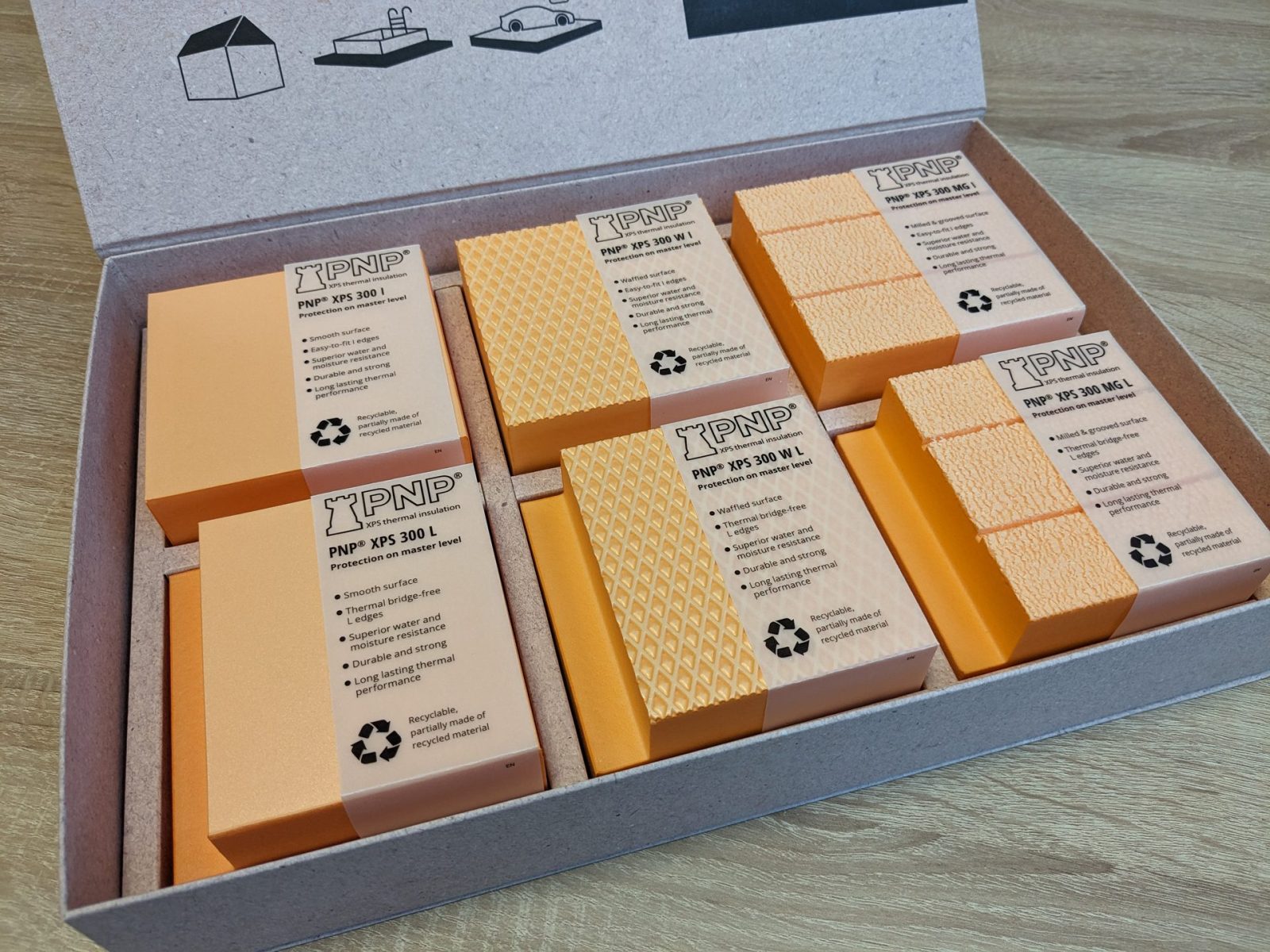
ProductCompressive strengthSurfaceTypical useXPS 150 W X-Grip150 kPaWaffledETICS, facades, floorsXPS 300300 kPaSmoothFoundations, floor slabs, accessible roofsXPS 300 W300 kPaWaffledStructural applications needing adhesionXPS 500500 kPaSmoothIndustrial floors, parking decks, road constructionXPS 700700 kPaSmoothExtreme-load civil engineeringXPS 300 SLOPE300 kPaTaperedFlat roofs, green roofs, terraces
See the full products catalogue for all grades, surface types, and thickness ranges.
Compliance and Documentation
All PNP XPS boards are manufactured to EN 13164:2012+A1:2015 — the harmonised European standard for factory-made extruded polystyrene thermal insulation products. Each grade is supported by a Declaration of Performance (DoP) under CPR 305/2011, a technical data sheet (TDS), and an environmental product declaration (EPD) prepared to EN 15804 for the Várpalota plant. BIM library objects are also available.
All documents can be downloaded from the documentation page. For project-specific questions, contact PNP XPS at the contact page or by email at sales@pnpinsulation.com.
Sources
EN 13164:2012+A1:2015 — Factory-made products of extruded polystyrene foam (XPS) — Specification
PNP XPS 300 TDS: pnp_xps300-300TB_600x1250_techcard_en(20.07.2026).pdf (updated 2026-07-22)
PNP XPS 300 DoP: DoP PNP XPS 300 EMI_en (U).pdf (updated 2025-10-14)
PNP XPS 300 W TDS: pnp_xps300W-300WTB_600x1250_techcard_en(20.07.2026).pdf (updated 2026-07-22)
PNP XPS 300 W DoP: DoP PNP XPS 300 W EMI_en (U).pdf (updated 2025-10-13)
PNP XPS 150 W X-Grip TDS: pnp_xpsX-Grip_X-GripTB_600x1250_techcard_en(19.06.2026).pdf (updated 2026-07-22)
PNP XPS 500 TDS: pnp_xps500-500TB_600x1250_techcard_en(20.07.2026).pdf (updated 2026-07-22)
PNP XPS 700 TDS: pnp_xps700_600x1250_techcard_en (21.07.2023).pdf (updated 2025-03-17)
EPD — PNP XPS (Várpalota plant), updated 2025-03-19
PNP XPS product data (company dataset, retrieved 2026-09-18)